The Roman Empire—But Also Medieval Europe
Disclaimer: This chapter is less of the usual alternate history fare and more of a historical, geographical, and cultural review to set up the background and the players on the stage in a fairly obscure part of Medieval Europe.
- Yes, I have strong opinions on the subject
- Don’t get your history from an alternate history blogger
- This post isn’t intended to be anti-Christianity as a whole, but it is anti-genocide and whatever ideological framework is used to justify it.
It is June, 108 AD, and we are at Memel Castle on the shores of the Baltic Sea. The Teutonic Knights wish to be free of distraction as they make war upon the indigenous Baltic peoples, so they’ve signed a peace treaty with the Polish Duchy of Mazovia. Marshalled here is all the might the Teutonic Order can muster: 150 brothers of the Order are here, along with dozens of so-called “summer crusader” knights as well as the Order’s allies, the knights of Danish Estonia and the men-at-arms serving the Archbishop of Riga. Additionally, they have with them the warriors of various indigenous tribes they’ve subjugated already. Eight thousand men stand poised to strike; the two halves of the Order—both the main branch of the Order located in Prussia and the autonomous Livonian chapter to the north in Terra Mariana—are poised to strike, waiting only for their commanders to finish discussing where they shall march this season.
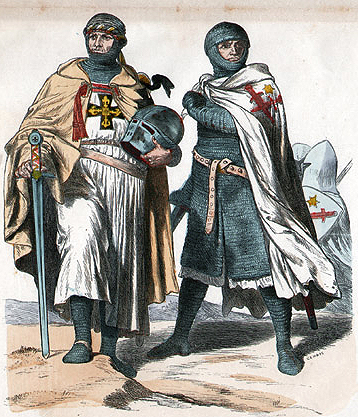
Georgenburg, to the southeast, is under threat by the Samogitians, so the Livionian master and the Teutonic field marshal agree that they should march there. However, as they’re about to depart, they hear word that the Samogitians and their allies have invaded Northern Curonia, which is under Teutonic subjugation, and so the Knights march north instead.
Tip me on Ko-Fi: https://ko-fi.com/lordoflore
Follow me on Bluesky for updates (with teasers!): @lord-of-lore.bsky.social
Or subscribe to my newsletter to get updates via email:
But in order to properly explain what’s going on here, we’re going to have to wind the clock back to the Act of God in 1250/98 AD. At this time, the crusade was at its peak. Teutons marched over Baltic lands, forming the speartip of huge armies of summer crusaders come to do their part for God and glory, razing Baltic towns and killing everyone who wouldn’t forsake the wicked worship of pagan gods in favour of—
Actually, no, scratch that. We’re going to have to wind back to 1226, when the Duke of Mazovia invited the Teutonic Knights to come settle in the castle of Kulm on the northern frontier of his territory so they could serve as a bulwark between himself and the Baltic pagans, with whom he was near-constantly at war. The Teutons moved in and, in the 1230s, began launching major campaigns into pagan territory to kill pagans and conquer their lands so that good Christian Germans could be brought in. Meanwhile, in the north, the Sword-Brothers were in a bad way after a severe defeat and disbanded, with the remaining hardline—
No, no, that won’t do either. We actually have to wind all the way back the 10th century and the reign of Emperor Otto the Great, often considered to be the founder of the Holy Roman Empire (the HRE really doesn’t have a single moment in time in which it was created, but that’s a whole topic of its own). At that time, the Elbe River, now deep within Germany, was roughly the border between German-speaking lands and those inhabited by speakers of various Slavic languages. Cities like Meissen, Brandenburg, Havelburg, and Oldenburg, now such deeply-rooted bastion of German culture that one could be forgiven for thinking it was always so, did not exist. Furthermore, the lands that they now occupy were inhabited by Slavs.
There were, however, few meaningful differences between the Germans and Slavs. Both had pale skin, blue eyes, and blonde hair, both were farming societies led in peacetime by big men who owned a disproportionate share of the land, and in war those big men wore chainmail and wielded swords and lances, often from horseback. The biggest difference was the fact that on the west side of the Elbe they spoke German, while on the east side they spoke Slavic languages.
That and the fact that the Slavs practiced a traditional, largely animistic religion whose origins are obscured by the mists of time while the Germans had converted to a new religion started in the Middle East by a crucified Jew.
Under the patronage of Otto and his successors, things began to change. Over the next few centuries, the Germans moved eastward, pushing the German-Slavic border ever beyond the Elbe. In those days long past, the warfare between Christians and pagans was not of an overtly religious nature. Religious leaders sent their missionaries into pagan lands, to be sure, but they primarily sought to convert them with words. It was the German nobility that insisted upon raiding and invading pagan lands year after year, even as the pagans counter-raided them. Both sides always had a grudge, could always point to a village burned, a family member slain by a member of the other side, blood that called out for vengeance. There was always a reason to go kill someone on the other side of the river and take his things.
Things took a dramatic turn in the late 11th century, after the First Crusade to the Holy Land became a resounding success and the legend of it spread throughout the Catholic world. In Germany, the idea of a crusade sounded very appealing. It was, after all, essentially what they’d already been doing.
The primary justification became the very fact that the Slavs were pagan, and therefore evil beyond comprehension, and thus deserved to be killed. The lands they inhabited, however, were the best in the world, overflowing with “meat, honey, corn, and birds”, according to the anonymous Magdeburg Letter circulating Germany in the early 12th century. Lands belonging to the pagan Slavs was, the letter argued, “our Jerusalem”. Thus Germans justified killing every pagan for any reason, elevating base profit motive to the level of a holy deed, all so good Christians could take pagans’ belongings and fatten themselves on the fruit of the land watered by Slavic blood spilled in the name of a man who’d once told his disciple not to defend him with the sword.
Not only the Germans, but even Christian Slavs joined in the following crusades. The primary distinguishing factor between the two sides was, after all, not language or bloodline, but religion. But since so many pagans were killed and the depopulated lands colonised with German settlers, the effect was population replacement.
In the mid-1140s, church leaders called for a Second Crusade to the Holy Land, but the northern Germans were reluctant to go, owing to their ongoing conflict with the pagan Slavs. So it was agreed that two crusades would be launched; one to the Holy Land and one to the Baltic, with those participating in both crusades being given equal indulgence—forgiveness of sin. Thus began, in 1147, the Wendish Crusade, first of the Northern Crusades, which would continue until 1250 and beyond.
Although the Wendish Crusade began and ended in 1147, campaign after campaign was launched into the lands of the pagans living along the southern and eastern shores of the Baltic sea throughout the rest of the 12th century, though none of these were officially sanctioned as crusades. As they were crusaded against, the Baltic pagans became ever more ruthless in turn. Unwilling to play pure defence, the pagans struck back at the hated Christian enemy in kind. Just as Christians razed pagan villages and enslaved their people, the pagans razed Christian villages and enslaved theirs. The whole of the Baltic region became a massive slave mill exporting enslaved human beings of both faiths to places as far away as North Africa. Violence breeds violence and brutality only encourages brutality in return.
By the twilight of the 12th century, the Baltic Slavs had more or less all been killed or converted to Christianity. Slavic tradition lived on, to some extent, in the Duchy of Slavia, which was part of the Kingdom of Germany. Here, the Slavic nobility had converted to Christianity. They started speaking German, used German names, and built German towns were Germans colonists settled and lived under German law, all while Slavic peasants were forced to live in shanty towns outside the walls.
But even conversion and cultural integration (by the nobility, at least) wasn’t enough for some Germans. Some Germans, most notably the margraves of Brandenburg, carried on attacking Slavs long after their conversion. Slavia will slowly be eaten by Brandenburg in a series of feudal feuds, while the Polish duchies will have to contend with a slowly eastward-expanding Brandenburg for generations.
But let’s not get ahead of ourselves. In 1199, a papal bull was issued affirming that those who fought in wars against the Baltic pagans were considered to be crusaders on par with those who fought Muslims in the Holy Land. This was, effectively, a declaration of permanent crusade in the Baltic.
At the dawn of the 13th century, then, the city of Riga was founded as the seat of a Catholic bishop and the crusaders went forth to fight against the local Livonians and Latgallians. Soon, a holy order of knights was established under the name of the Livonian Brothers of the Sword, or Sword-Brothers for short. Most of the Sword-Brothers were German, although they often worked hand-in-hand with the Kingdom of Denmark, who established their own crusading base in Reval, which they used to conquer much of Estonia and organise it into the Duchy of Estland.
_
Now that he Northern Crusades are in full swing, we must introduce the major players on the board.
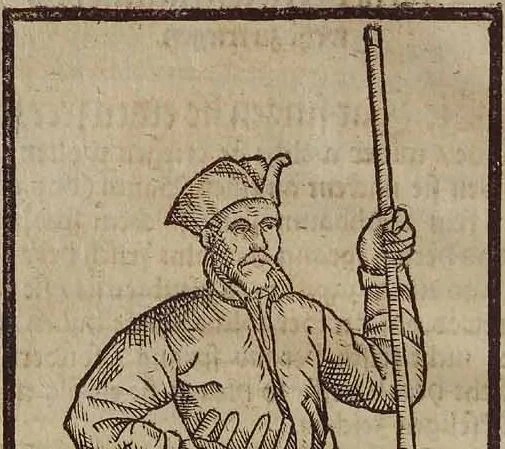
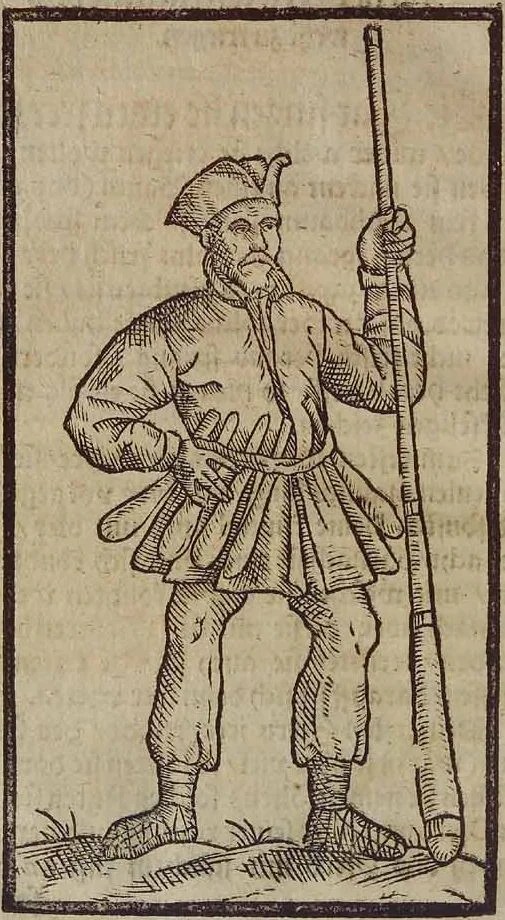
Beginning in the far southwest, there are the Prussians, who are divided into nine tribes that bicker with each other from time to time, but close ranks against Christians who attack them. To their east are the Lithuanians, also traditionally divided into many tribes under the leadership of “dukes”, but they’ve recently been united under a man who calls himself king, the man named Mindaugas. However, the rule of Mindaugas is loose in many parts of the kingdom, none more so than in Samogitia, whose people are fiercely independent and only listen to the king when it helps their cause against encroaching Christians. Between the Lithuanians and Prussians are three tribes we might term Prusso-Lithuanian, since they speak dialects that have elements of both their neighbours, yet are distinct in their own right. Most prominent of these are the Yotvingians.
North of the Lithuanians are the Latvian tribes. West to east, these are the Curonians, of whom there are eight tribes (often called “counties”), the Semigallians, Selonians, and the Latgallians, of whom there are two main tribes (in this case, called “principalities”).
All of these peoples, the Prussians, Yotvingians, Lithuanians, and Latvians, speak languages in the Baltic family. Although each has their own distinct language, they are all closely related, and so they share many linguistic similarities even if conversation between speakers of different languages is impossible. North of the Latvians, however, are a people whose language is utterly unintelligible.
I speak of the Estonians, who can be divided into three principle groups: the Livonians, the Oeselians (who live on the islands of Saaremaa and Hiiumaa), and the Estonians proper. Estonian is a language in the Uralic family, closely related to the neighbouring Finnish. However, the Estonians are firmly Baltic in the geographic sense, and have a strong cultural affinity with the other Balts. In a geographic and cultural sense, then, it’s proper to refer to the Estonians and “Balts”, even though they speak a language that doesn’t belong to the Baltic language family.
In all the Baltic lands there are no kings (except Mindaugas) and no formal nobility, no states and no governments enforcing laws and levying taxes. Instead, there are only Big Men who live in big houses and own big farms. Big Men have access to a great deal more resources than they can make use of on their own, so they grant access to land, ploughs, mills, and other capital to the Little Men who live nearby, in exchange for those little men’s labour and political allegiance. Although this is all deeply reminiscent of the system of serfdom practiced in Germany, we must also take notice of the differences. In the Baltic lands, most peasants do, in fact, own their own land, it’s just that they own so little of it that they require access to more in order to feed their families—hence the need to rent land from the Big Men. Little Men are not legally tied to their land, nor can they be traded from one lord to another without their consent. They negotiate deals with Big Men of their own volition, and if they feel they’re being mistreated, they can negotiate with a different Big Man. This makes the Big Man reminiscent of a mafia godfather or a gang boss, each with a shifting network of clients tied to him, each seeking to poach clients from rival Big Men while keeping hold of their own. Some Big Men are bigger than others, and a few are big enough that their network of clients includes other, smaller Big Men.
Two institutions take the place of the state in these lands: the council of elders and the popular assembly. Each of the tribes discussed above have their own versions of these two institutions with endless variations on the details. As a general rule, “elder” refers to the Big Men, and usually primarily to the biggest of the Big Men, and has nothing to do with the age of those who hold the title. The assembly, meanwhile, is filled out by the Little Men. In order to get things done, the elders meet separately and discuss issues. Ideally, they’ll all agree upon a course of action. After this, the assembly is called and the elders make their case while the members of the assembly are asked what course of action they prefer. Because most of the Little Men in the assembly are tied to one or another of the Big Men, they typically agree with whatever their Big Man has to say. Consequently, the calling of the assembly mainly serves as a consensus building exercise where the elders get all their clients on board with whatever decision the elders have already made.
However, all decisions must be agreed upon by mutual consent. If a few Big Men decide to do something that the others disagree with, they’ll go do their thing while the rest do nothing. There is no state to strongarm the unwilling into compliance. Meanwhile, although the Little Men generally agree with their patrons, they do, on occasion, mutiny against the Big Men. The Big Men’s voices may be loud, but if all Little Men speak as one, everything else is drowned out. If the assembly puts its collective foot down on any issue, they can override the will of even the biggest of the Big Men.
In the Lithuanian version of this system, the Big Men are called dukes and the biggest Big Men are called elder dukes (again, regardless of actual age). One of these elder dukes, a man named Mindaugas, somehow managed to get himself recognised as the leader of all Lithuanians at some point in the early 1230s, but this all happened in the shadowy forests beyond what literate Catholics of Europe would call civilisation, so few of the details are known. Lithuania, therefore, is an exception. Alone among all the Baltic lands, Lithuania is undergoing the early stages of state formation as Mindaugas seeks to reign in the elder dukes and establish a stable royal government to replace the old tribal institutions.
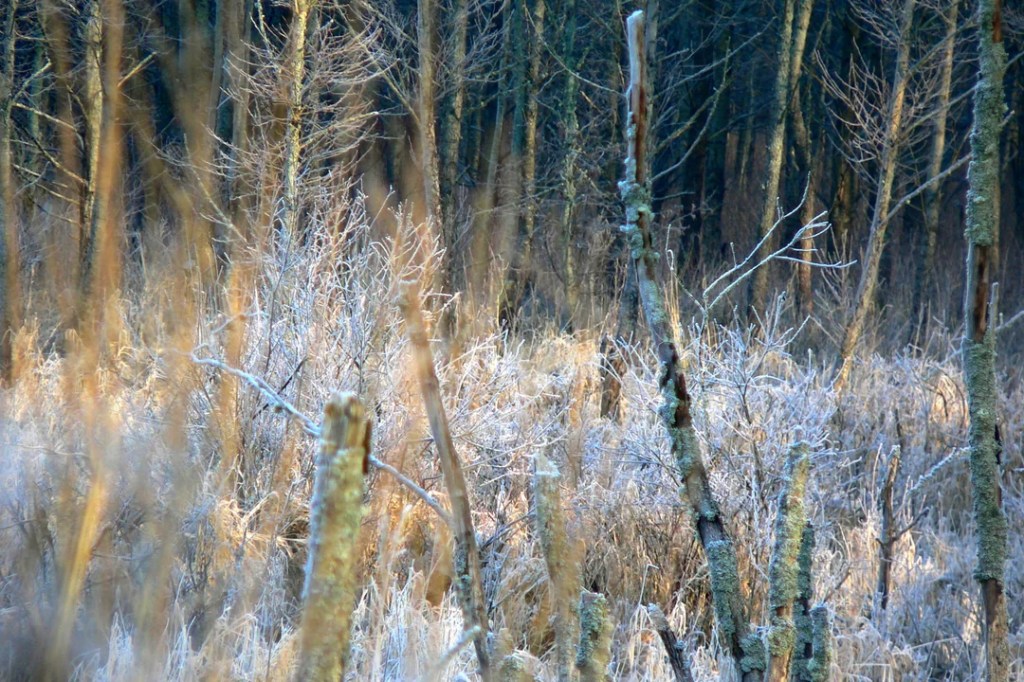
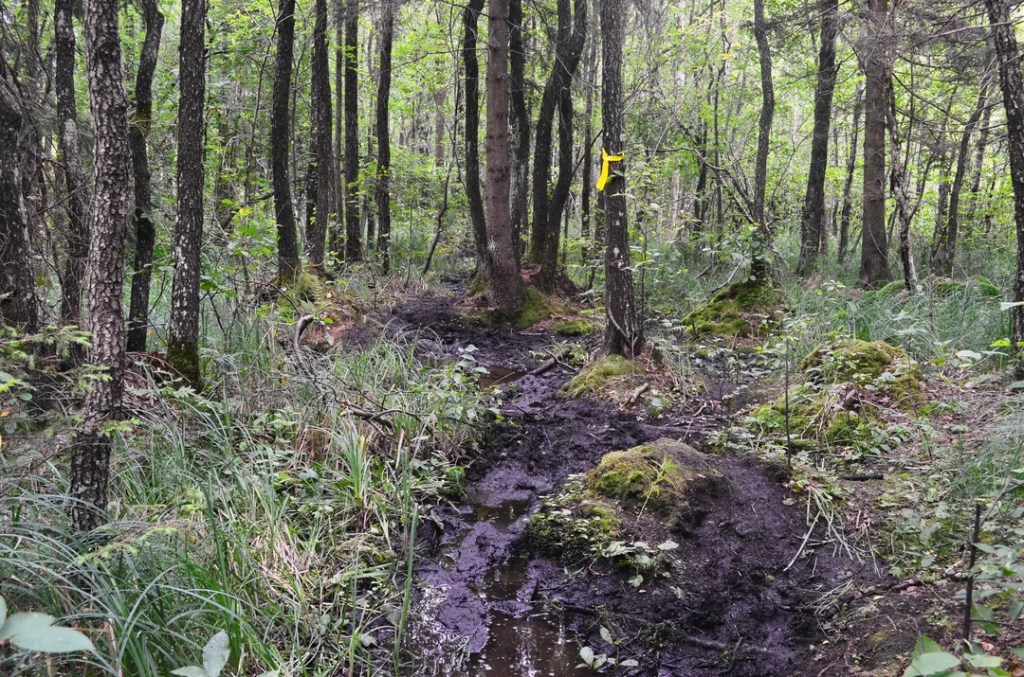
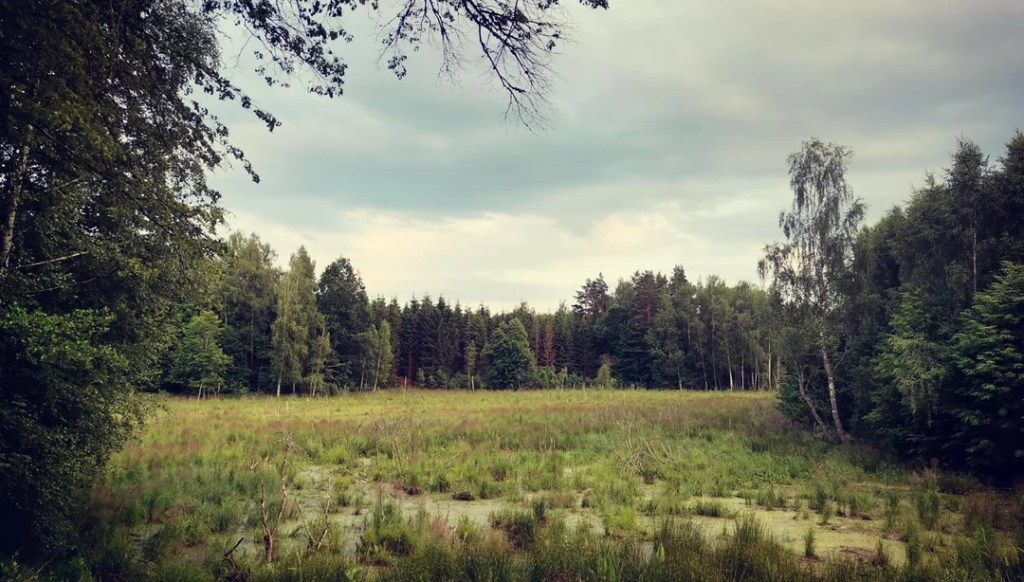
As for the natural environment of the Baltic region, the land itself is inimical to outsiders. Old-growth forests spread their canopies over a land choked with lakes and marshes. This is especially true in Lithuania and Prussia, where dense wetlands make for a natural fortress where pagans can ambush and slaughter the Christians who get stuck in the mud. Pagans know these lands like the backs of their hands. They know the forest trails, and they’ve built highways under the marshes. Called Kūlgrinda, the underwater marsh highways of the Baltic are built by placing stones or wood on frozen marshes in the winter and letting them settle to the bottom in summer. Once this has been repeated several times, the stones or wood logs form a solid base on the bottom of the marsh or stream, enabling merchants and warriors alike to traverse the marshes and cross roaring streams without getting stuck in the mud, falling, and drowning. Hidden underwater as they are, however, only the locals can make use of the Kūlgrinda, enabling them to run circles around invading Christians, who don’t know the forest trails and to whom the marsh highways are invisible.
_
Over the first few decades of the 13th century, the Livonians and Latgallians were brought under subjugation by the Sword-Brothers and the Bishopric of Riga, who had a love/hate relationship. After they converted to Christianity, some of the Livonian and Latgallian Big Men became landed nobility. From then on, Livonians and Latgallians marched in the armies of the Sword-Brothers. Soon, the name of “Livonia” became so closely associated with the Sword-Brothers that they were mostly commonly known as simply “the Livonians”.
One of the earliest and most inveterate enemies the Sword-Brothers faced were the Samogitians. Staunchly pagan and fiercely independent, the Samogitians were always quick to leap into the fray, eager to join forces with any pagans, and ever-ready to kill Christian knights wherever they could be found threatening pagan lands.
In 1236, the Sword-Brothers invaded Samogitia alongside a group of crusaders from Holstein arrived for the summer campaign season. After plundering their way across Semigallia and into Samogitia, the crusaders encountered a pagan force at a river crossing near Šiauliai. Hampered by swampy terrain, the heavily-armoured crusaders were easily outmanoeuvred by the pagans, who slaughtered the near-immobile crusaders in the mud. 50+ Sword-Brothers were killed (including the grandmaster of the order), along with nearly 1200 others on the field of battle. Those who escaped the field were no luckier, as almost all of them were killed by pursuing bands of Semigallians.
The Battle of Saule struck a mortal blow to the Sword-Brothers. Most of the remaining knights returned to Germany, and the order disbanded. However, all was not lost in the Livonian crusade. A few knights remained. Joining up with the more recently-arrived Teutonic Knights, the former Sword-Brothers became an autonomous chapter of the Teutonic Order with distinctive heraldry and their own master and field marshal. Like a phoenix, the Sword-Brothers ascended once more, now known as the Livonian Order, which would cooperate with the main branch of the Teutonic Order in Prussia, but largely operated independently.
Meanwhile, to the south, the Teutonic Knights arrived in Kulm in the late 1220s. Every summer, they launched a campaign against neighbouring Prussian tribes. A pattern soon emerged. There was a core of permanent crusaders, made up of the Teutonic brothers and those who served them, and then there were the summer crusaders, who came every spring to participate in the summer campaign and then went home to Germany in the fall while the Teutons battened down the hatches in their castles and waited for spring.
The Prussians, too, received help from their neighbours in the form of the Yotvignians. Yotvingia fulfilled a similar role in the south as Samogitia did in the north. A large and powerful tribe, the Yotvingians lent aid to the Prussians whenever the Christians marched against them, and spent the rest of their time feuding with the Lithuanians, Poles, and Galician-Volhynians. With the Prussians between themselves and the Teutons, the Yotvingians considered it to be of vital strategic importance to keep the Prussians in the fight.
Year after the year, the summer crusaders came and inflated the crusaders’ numbers so great the Prussians couldn’t contend with them. One by one, the Prussian tribes fell; the Pomesanians, Pogesanians, Lubavians, Sasnians, Warmians, and Natangians all fell and were crushed underfoot. Many were killed. Those who survived were converted to the invaders’ religion under threat of violence. German colonists were then brought in to build their German towns with Christian churches, ruled over by German laws. By the mid-13th century, only the Bartians, Nadruvians, and Sambians remained. Driven away from the coast, the pagans were forced deep into the dark forests of the swampy interior, for the most part. Even the pagans were not overly fond of these lands. Marginal as it was, the swampy soil was no one’s first choice of farmland. But it was only here, where there were no roads but the ones only the locals knew how to find, that the last pagans in Central Europe could make their stand.
[Next]
Credits:
Teutonic and Livonian knights via Wikipedia
Old Prussian Warrior via r/OldPrussia
Prussia in the winter via r/OldPrussia
Kūlgrinda via r/OldPrussia
Prussian landscape via r/OldPrussia

 Lord of Lore

Leave a comment