The Roman Empire—But Also Medieval Europe
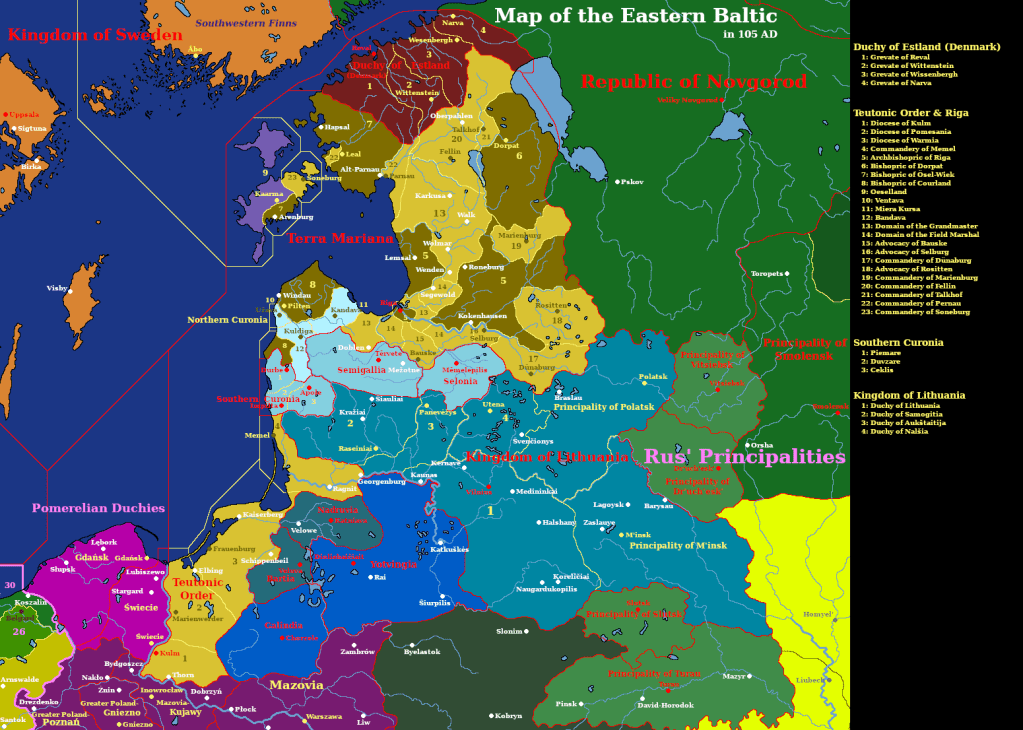
It is September, 108 AD. Lithuanian Duke Treniota and Samogitian war leader Alminas, along with their Semigallian and Curonian allies, have recently struck the Teutonic Knights with the worst defeat they’ve ever suffered in the Northern Crusades. One hundred fifty brothers are dead, along with forty other knights.
In Nadruvia, one of the two remaining free Prussian tribes, a priest known as the kriwe-kriwaito receives the news with elation. Christian chroniclers will describe the kriwe as a “pagan pope” who presides over the whole pagan religion of all the Balts from Prussia to Latvia. He resides in a temple built around the sacred tree Romuva—named, in an act of irony, after Rome—where he and a cadre of male priests and female vestal virgins keep watch over the tree and an eternal flame. All pagans anywhere in the Baltic donate a third of the booty they capture in war to the kriwe, who burns it in honour of the “pagan trinity” Patrimpas, Perkūnas, and Patulas, who likenesses are ensconced in the most holy place of the temple at the foot of Romuva itself.
Tip me on Ko-Fi: https://ko-fi.com/lordoflore
Follow me on Bluesky for updates (with teasers!): @lord-of-lore.bsky.social
Or subscribe to my newsletter to get updates via email:
Anyone who knows anything about the nature of pagan religion will know that this is false. There is no pagan trinity and there certainly isn’t any pagan pope. Patrimpas, Perkūnas, and Patulas are simply three of the most important cult figures in the Baltic religion, so it’s unsurprising if they appear together, and with a deep veneration for nature, it’s no surprise for religious gatherings to take place around a sacred grove. In truth, the kriwe-kriwaito is far from a pope and is instead a local Nadruvian landowner named Dargis, who moonlights as a priest. Nevertheless, Kriwe-Kriwaito Dargis is the most influential priest in Nadruvia and is one of the most important religious figures in Prussia (but not the rest of the Baltic).
The kriwe calls upon all pagans to unite and drive the Christians into the Baltic sea. Answering his call are Skomants, elder duke and elected war leader of the Yotvingians, and Diwanis, leader of the Bartians. Dargis himself, meanwhile, is elected war leader of the Nadruvians in a popular assembly. Joining forces with Skomants, the kriwe invades Sambia, which has fallen under Teutonic occupation as of the summer campaign of 103. Refraining from looting the local villages as armies are wont to do, the army instead targets German settlements for destruction along with the German colonists themselves. Sambians revert to paganism and join the army in droves.
After a quick campaign of manoeuvre, Dargis and Skomants split up, each one laying siege to different Teutonic castles guarding the frontier.
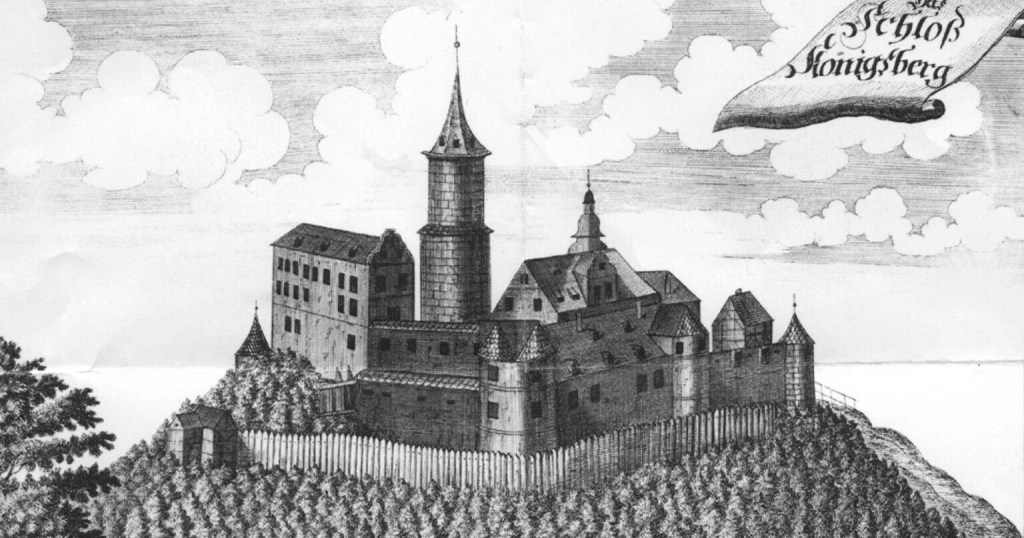
To the south, the Bartian leader Diwanis joins forces with a Galindian army and lays siege to Schippenbeil, a Teutonic castle built on Bartian land. Back in the 1240s, the Teutons had briefly seized control of Bartia before the Bartians rebelled and mostly drove them out, and the Bartians have been trying to complete the liberation ever since by capturing Schippenbeil, but the castle has resisted them thus far.
Besides the movement of the large armies, a wave of pagan reversion washes over the Teutonic dioceses covering the traditional lands of the Natangians, Warmians, Pogesanians, and Pomesanians. Bands of reverts roam the countryside burning German villages and killing their Christian inhabitants. Indeed, the two religions in conflict have become extremely political because what is at stake not simply whether one acknowledges Jesus Christ as Lord and Saviour or if one prefers to deal with the spirits of the forest; what is at stake is whether one sides with the crusaders or with the indigenous Balts. Prussians who converted to Christianity—whether out of fear for their lives or genuine desire to convert—must now choose whether to stand by that decision or not. To many, reversion to paganism is synonymous with loyalty to the anti-crusader cause, but there are also those who dedicate themselves to both Christ and fighting the crusaders. Such people are viewed with suspicion by pagans, often ostracised, and sometimes outright killed for their assumed sympathy with the enemy.
With their entire frontier under siege and threatening to collapse, Teutonic Grandmaster Anno von Sangerhausen calls upon the Catholic world for help. However, the Teutons’ most recent ally, the Margravate of Brandenburg, is currently tied up with internecine conflict with the Polish duchies in Greater Poland to the east and the Duchy of Slavia to the north. Pope Clement IV issues a call for aid on their behalf, but Brandenburg’s rulers, John I and Otto III, are disinclined to listen to the pope because he’s aligned with Brandenburg’s principal rival, Emperor Ottokar.
Fall turns to winter, which gives way to spring 109 AD, at which point Brandenburg, Mecklenburg, and Holstein all send troops to aid the Teutons, but in all cases the contingents send are a scant few token men, only a couple thousand in total. Crusading in the Baltic seems a small thing when the great Heathen Empire is directly across the river occupying rightfully Christian land. Denmark, another ally of the Teutons, is currently locked in a struggle of its own as the queen-regent fights to keep her son on the throne, so they are unable to send any aid.
In the summer campaign of 109 AD, a number of Teutonic castles fall. With primitive siege weaponry and limited institutional knowledge of how to conduct siege assaults, the Prussian rely mainly on the slow method of building a fort surrounding the castle to cut off resupply and starve the defenders out. In this way, the castles of Wehlau, Rössel, Bartenstein, and Beisleiden all fall, breaking the frontier wide open. Skomants takes his Yotvingians across a swathe of the Teutonic Diocese of Warmia, bringing death and destruction to Germans and liberation to Prussians. Dargis, meanwhile, links up with Sambian rebels and besieges the former Sambian capital of Twangste, which is now the Teutonic fortress of Kaiserberg.
The reinforcements from Germany arrive in theatre and join a Teutonic army marching to relieve Kaiserberg. Along the way, they split in two, with one portion continuing toward Kaiserberg while the other half heads inland into Natangia. In order to more effectively clear out the many small bands of rebels roaming the area, this portion of the army splits a second time. One half remains in camp while the other half marches out in pursuit of a nearby rebel band led by Erksmants, elected leader of the Natangians. Erksmants, however, had anticipated this move. He disappears into a swamp, marches through it and reappears behind his pursuers, who’ve completely lost track of him. He then ambushes the other half of the army while it’s still in camp, killing everyone and seizing the baggage train. The rest of the army retreats.
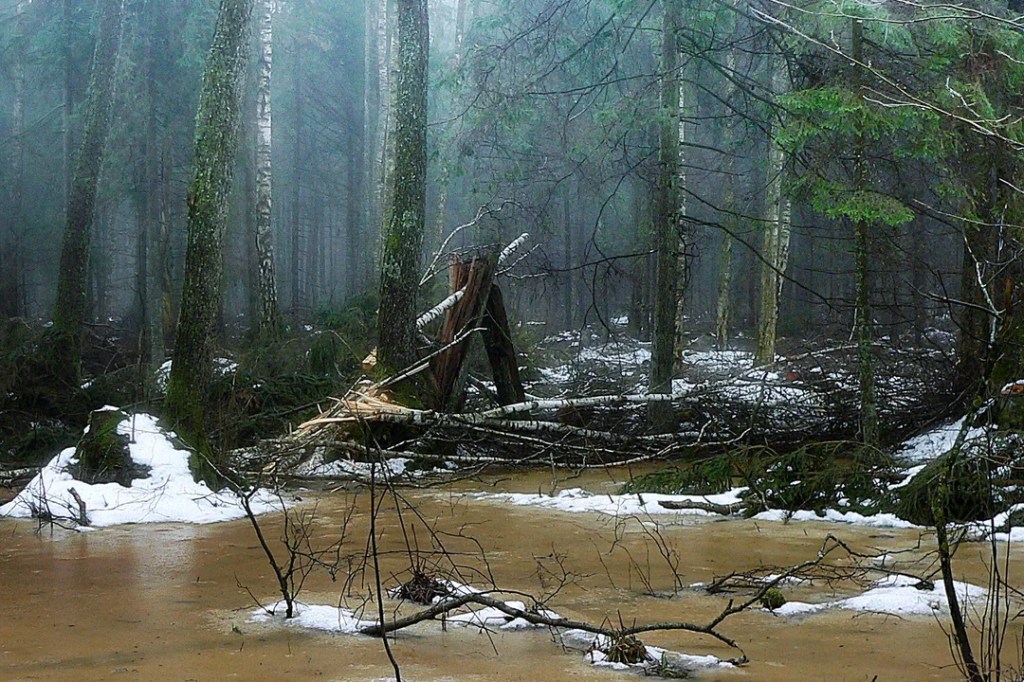
Meanwhile, the Teutonic army headed toward Kaiserberg encounters a group of Yotvingian scouts, who inform Skomants of their location. Skomants makes use of local guides to take a shortcut through a wooded area and attack the Teutons from behind, destroying the army. Only the cavalry escape the slaughter.
From this point on for the next several years, the War of Prussian Reversion becomes a series of static sieges. Several castles have fallen, but many more are still on the road to Elbing. Most important of the many sieges are Kaiserberg and Schippenbeil. If those two fall, the rest will follow.
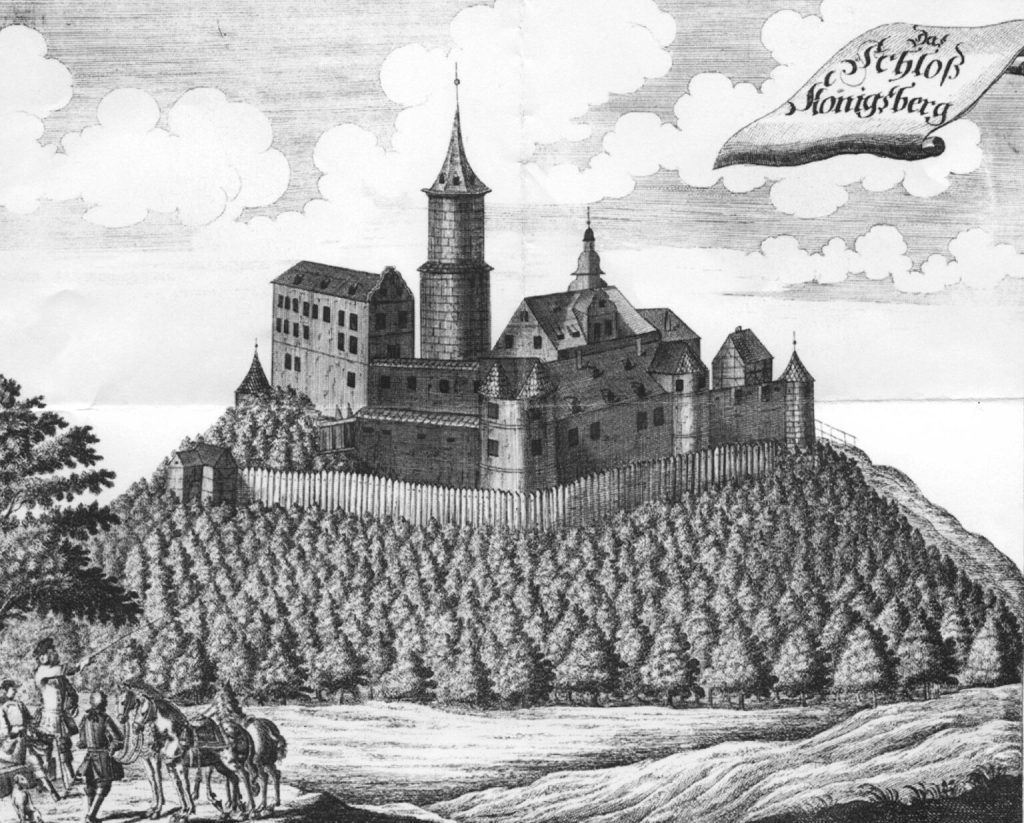
Erksmants goes up to Kaiserberg to offer his expertise to the besieging army. Having lived a decade as a hostage in Magdeburg, Erksmants speaks fluent German, reads both German and Latin, and is probably more knowledgeable about their culture and tactics than anyone else in Prussia. Not only is he accepted in the siege camp, he’s quickly elected leader of the siege.
The biggest problem is that the defenders are able to keep themselves supplied via the Pregel River, on which Kaiserberg is situated. Glande, leader of the Sambians, blockades the river with his fleet, but a fleet from the Free and Imperial City of Lübeck runs the blockade, bringing supplies to the defenders. Glande then lashes his ships together across the river, turning them into a platform which he reinforces with palisades and towers. This floating fortress seals Kaiserberg off from the sea. The Lübeck fleet tries to burn the fortress during a breakout attempt, but the fleet itself is destroyed instead, with the survivors retreating back to the castle.
Grandmaster Anno von Sangerhausen rounds up as many men as he can; brothers and men-at-arms of the Order, a handful of summer crusaders, mercenaries, and Christian Prussians. In June, 110, he leads this army on a second expedition to relieve Kaiserberg. A ring of Prussian forts surrounds the castle to prevent approach of supplies and reinforcements, but these are small and primitive forts made of earth and wood. Camping at the edge of the ring of forts, Anno intends to attack the next day. However, during the night, the Prussians withdraw and hide in a nearby forest. In the morning, the Teutons find the forts abandoned and conclude the Prussians have fled. Believing the siege to be over, the garrison opens the gates and runs out to celebrate with Anno’s men, who have brought grain and beer for the starving garrison.
A small band of Christian Prussians scout the nearby forest and spot the pagans hiding inside. Most of the scouts are killed, but one wounded scout manages to make it back to the castle and sound the alarm, giving the Teutons a few precious minutes to get ready for battle. Charging out of the treeline, the Prussians launch a frontal assault against the Teutons gathered outside the gates of Kaiserberg. Terrified by the sudden appearance of the enemy, the Teutons all try to get inside the gates at once, shoving and trampling each other as they do so. Those inside the castle mount the ramparts with crossbows in hand and start shooting down at the attackers in a bid to drive them off. Hundreds of the Order’s men are slain, but thanks to a brave rear guard led by Grandmaster Anno himself and the crossbowmen on the wall, the Prussians are unable to overrun the Teutons completely.
Ultimately, Erksmants calls off the attack. The remaining Teutons withdraw into the castle, but Anno’s camp and the supplies he’d brought for the garrison fall into the besiegers’ hands. Inside the castle, the reinforcements are not a welcome sight, since they only bring more hungry bellies to share the castle’s dwindling supplies.
Several months pass. Anno gets progressively more frustrated with the whole situation while waiting for some kind of relief from somewhere. In September, relief is finally spotted on the horizon. Coordinated by the Teutonic field marshal of Prussia, another fleet from Lübeck has arrived to attempt to break the floating fortress and resupply the castle. However, although the fleet is able to burn parts of the fort and inflict extensive damage to it, the Prussians keep the fires under control. Glande is in the thick of the action directing his men and putting out fires. Erksmants reinforces Glande’s men with a section of his Natangians, who join the Sambians on the fort’s towers. After two days’ worth of assaults, the fort remains standing—or, rather, floating. Seeing the futility of their attacks, the Lübeckers withdraw to a distance. The most important damage they’ve been able to inflict is to severely injure Erksmants, who is forced into convalescence and relinquishes command back to Kriwe-Kriwaito Dargis.
Watching the Lübeckers retreat, Grandmaster Anno decides there’s nothing else to do now but sally forth and break out of the siege—or die trying. Donning armour and unsheathing weapons, the knight-brothers of the Teutonic Order raise their banners and march out the gates of Kaiserberg to send the pagans to Hell or to meet Christ, whichever fate Providence has ordained for them. Across from them, Dargis and the Prussians form up.
Not a horse is to be found among the crusaders; they were eaten months ago. Astride the ground on their own feet, the Teutons nevertheless advance with heads held high. Anno marches at the head of the army with his banner-carrier beside him. Forward, they march, then break into a run. Charging, they break open the pagan lines in front of them. Running, the pagan flee to the village of Kalgren, south of the castle. Stopping, the pagans face the Teutons again. Facing them, they stand firm. A second charge breaks against pagan lines like a wave on the seashore. Exhausted and starving, the men of the Order fall one by one. Back to back, the warriors of Christ fight surrounded by the men of swamp and forest. Silhouetted against the sunset, Christ welcomes each one home before the sun’s last rays fall on the field. Surrender is a rare luxury in the War of Prussian Reversion, enjoyed only by a few Balts willing to sacrifice the soul of their people for the physical salvation of those not already dead. No quarter is given and none is asked for.
Thus falls the Teutonic fortress of Kaiserberg in September, 110 AD. Glande of the Sambians takes possession of Kaiserberg and give it back its old name of Twangste, using it as his home base from then on.
Down south, the Siege of Schippenbeil ends in a similar manner, with the Teutonic brothers sallying out to to face death at pagan hands instead of dying with a whimper behind the walls. Twenty brothers are killed at Schippenbeil and another thirty-five at Kaiserberg. Together with the losses at Durbe, this represents most of the Teutonic knight-brothers in the Prussian branch, which is the largest branch of the Order.
A month later, in October, the Teutonic castle of Thorn, on the border with Poland, is besieged by the duke of Kujavia. It is at this point that the Teutons begin to consider giving up.
[Next]
Credits:
Natangian swamp via r/OldPrussia


Leave a Reply